

Judo is a dynamic martial art and Olympic sport that emphasizes skill, discipline, and sportsmanship. In the Top 10 Judo Olympic players in the world for men, we highlight the legends who have dominated the tatami in recent Games. This list of Olympic judo stars (as of 2025) provides valuable insight into elite athletes, their medal records, and the countries they represent. Fans will recognize world champions and multi-medalists who continue to shape the history of judo and inspire the next generation.
Men’s Top 10 Judo Olympic Players in the World
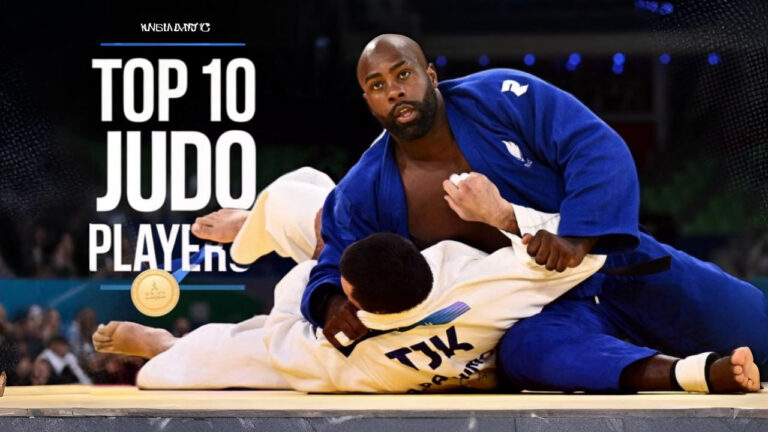
Teddy Riner (France)
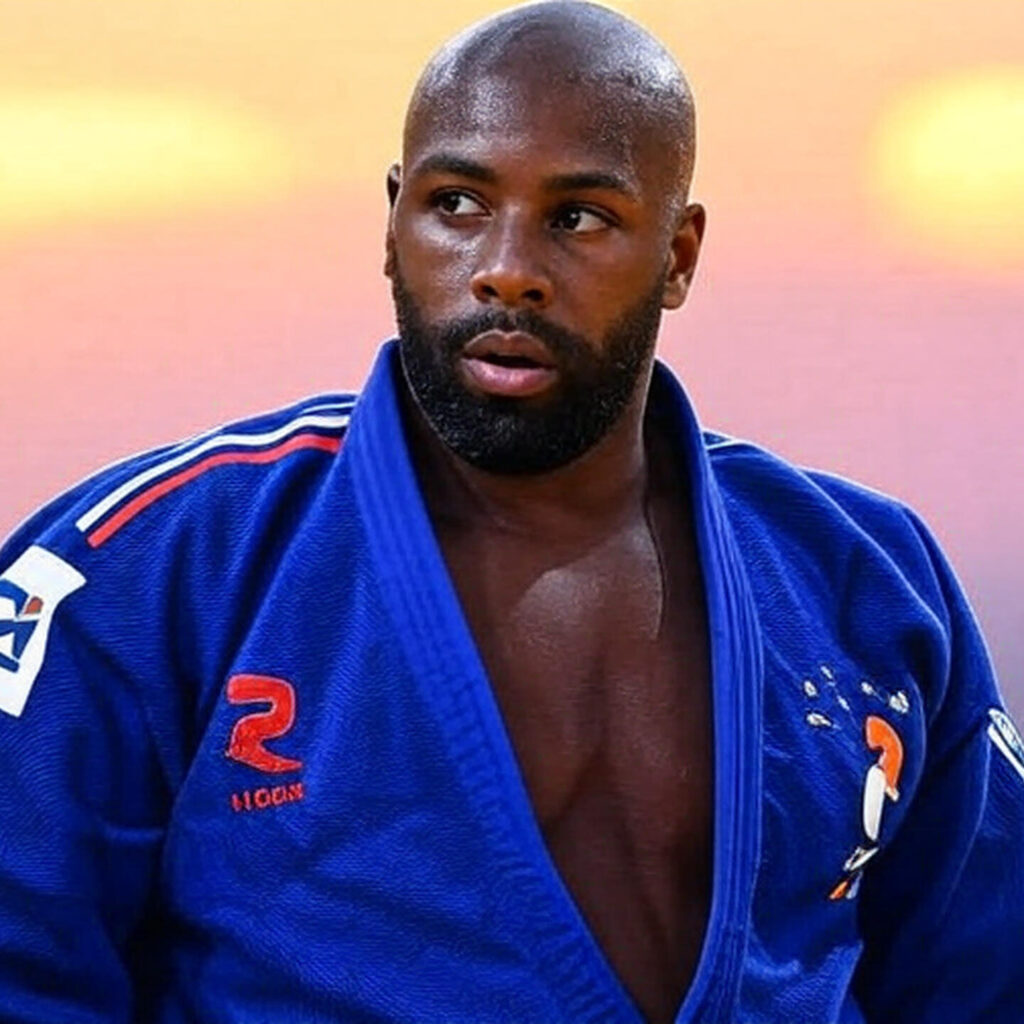
Olympic Titles: Three-time Olympic champion (+100kg in 2012, 2016, 2024).
World Titles: Twelve-time World Champion – the first judoka to achieve 12 world titles.
Other Medals: Two-time Olympic bronze (2008, 2020) and multiple European championships.
Legacy: Known for unmatched physical dominance and consistency, Riner stands as a global role model in judo.
A towering figure at 2.03m, Teddy Riner set a new standard in heavyweight judo. From London 2012 to Paris 2024, his combination of power and grace led to three Olympic golds. Fans worldwide recall his decisive ippons and leadership. Moreover, Riner’s career (including two Olympic bronzes) illustrates grit and longevity. Even after a break and competing in France’s mixed team, his legacy – 12 world titles – keeps him firmly atop judo’s all-time greats.
Shohei Ono (Japan)
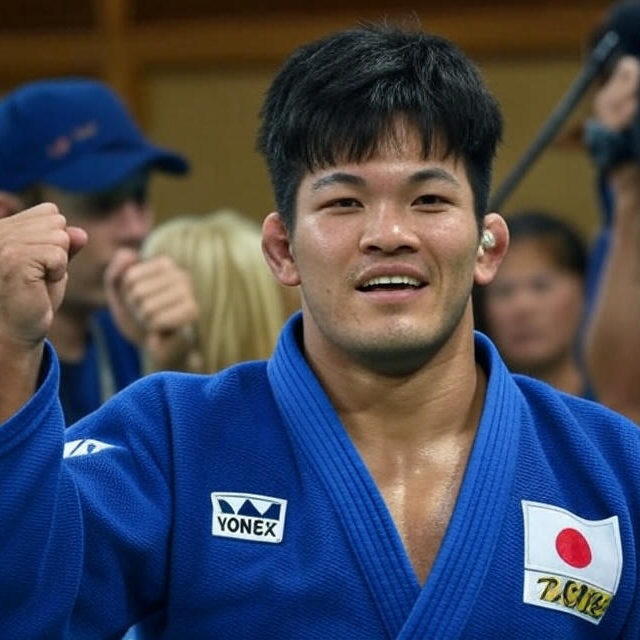
Olympic Titles: Two-time Olympic champion (–73kg in 2016 Rio and 2020 Tokyo).
World Titles: Three-time World Champion (2013, 2014, 2019) in –73kg.
Style: Renowned for flawless execution of Osoto-gari and Uchimata throws.
Achievements: Five-time Grand Slam winner; acclaimed as the most dominant lightweight of the 2010s.
Japan’s Shohei Ono electrified fans with his classical judo style. Retiring after Tokyo 2020, Ono finished with back-to-back Olympic golds. He specialized in giant throws like Osoto-gari, maintaining one of the highest ippon rates in history. Ono and long-time rival Riki Nakaya battled in many finals, marking a memorable era for –73kg judo. Ono’s complete style – blending speed and precision – has inspired judoka worldwide and solidified his reputation as a judo genius.
Hifumi Abe (Japan)
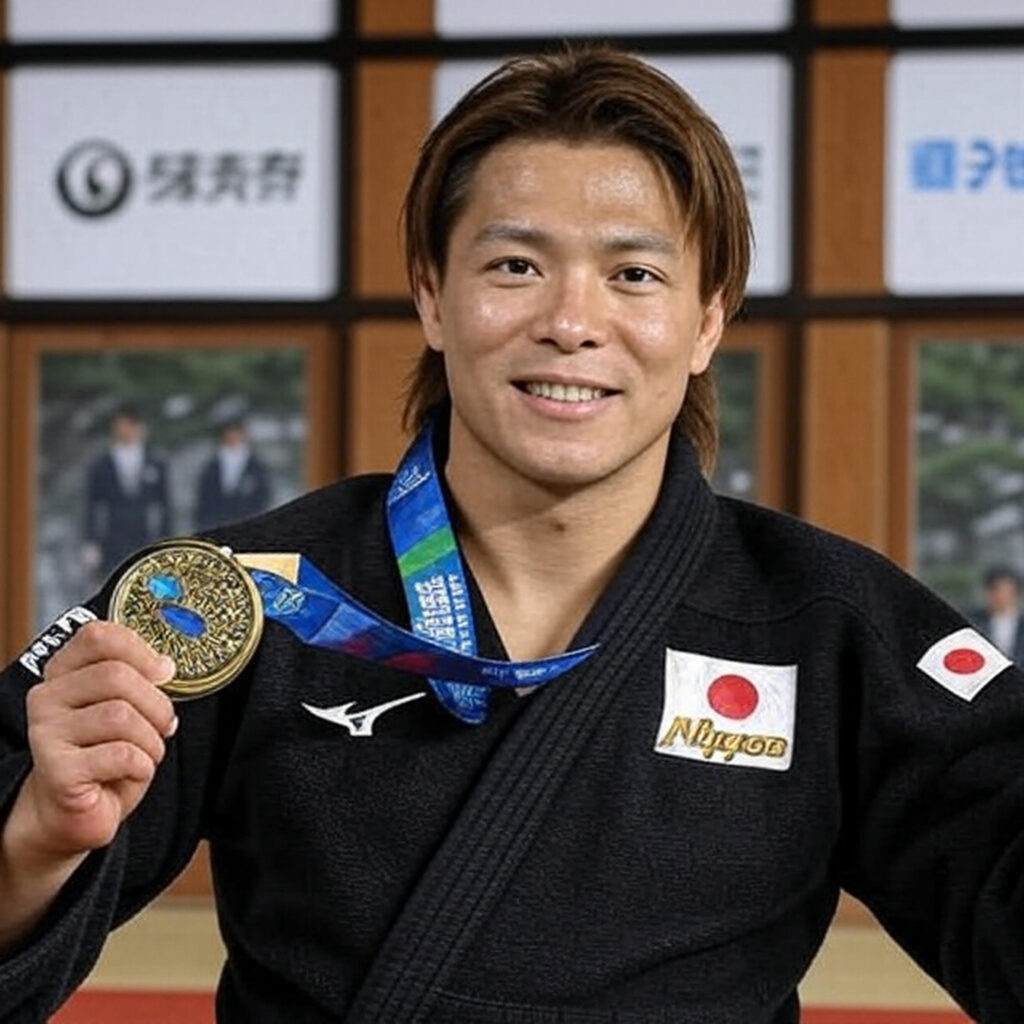
Olympic Titles: Two consecutive Olympic golds (–66kg at Tokyo 2020 and Paris 2024).
World Titles: Four-time World Champion (2017 Budapest, 2018 Baku, 2022 Tashkent, 2023 Doha).
Early Success: Youth Olympic champion (2014), won first senior Grand Slam at age 17.
Family Legacy: Sister Uta Abe also won Olympic gold, making the Abe siblings a judo powerhouse.
At only 27, Hifumi Abe already has a stellar Olympic résumé. He repeated as a 66kg Olympic champion in Paris, a rare feat of back-to-back golds. Abe’s judo is marked by creative throws and fierce commitment; for example, he won mixed-team silver in both Tokyo and Paris. He first stunned fans in 2014 by defeating reigning world champion Masashi Ebinuma at age 17. Therefore, Abe’s rise illustrates judo’s new generation. Off the mats, his humble demeanor and family pride (younger sister Uta is also an Olympic champion) make him a beloved figure in the judo community.
Lukáš Krpálek (Czech Republic)
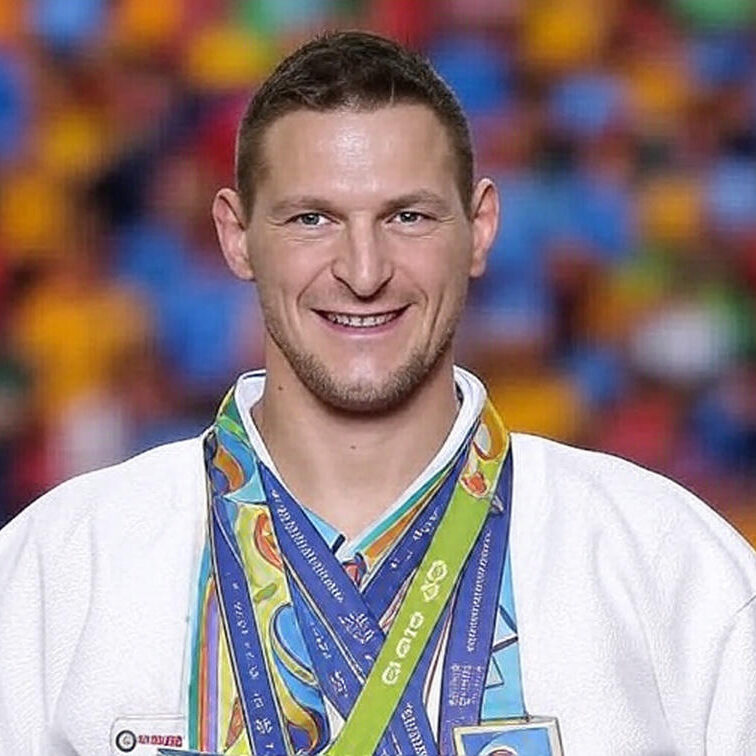
Olympic Titles: Two Olympic golds – 100kg in Rio 2016 and +100kg in Tokyo 2020.
World Titles: Two-time World Champion (100kg in 2014 and 2019).
European Success: Multiple European titles, named Czech Judoka of the Year eight times.
Notable: The most successful judoka in Czech history.
Known as the “Czech Beast,” Krpálek achieved the extraordinary by winning Olympic gold in two different weight categories. He won the 100kg title in 2016, then moved up to heavy (+100kg) and took gold again in 2020. Czech fans still celebrate his thundering o-goshi (hip throw) finishes. Over a decade, Krpálek’s dedication, beginning judo at age 6, and his Olympic triumphs made him the Czech Republic’s greatest judoka. Moreover, he earned eight national accolades. His story motivates athletes in smaller countries aiming for the podium on the world stage.
Aaron Wolf (Japan)
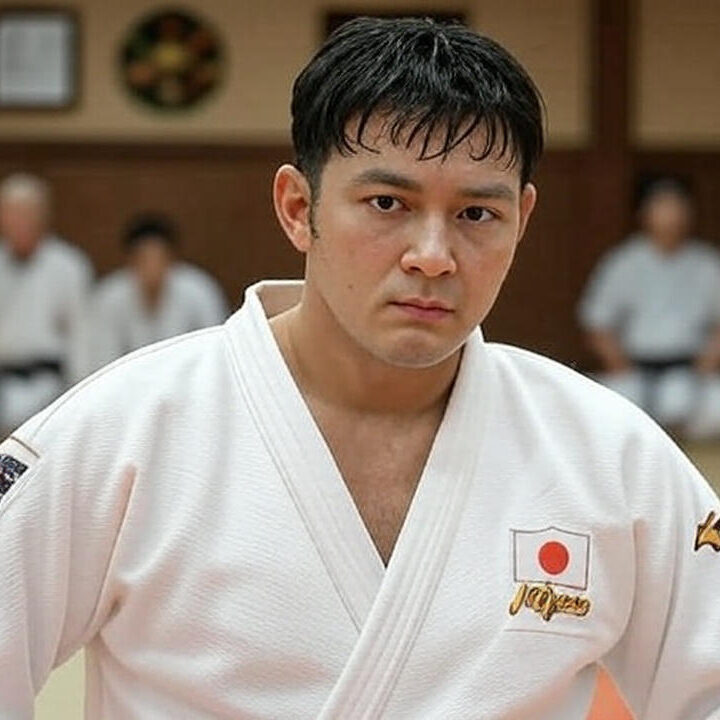
Olympic Title: Olympic gold medalist (–100kg at Tokyo 2020).
World Title: 2017 World Champion (Budapest, –100kg).
Heritage: First half-American (Japanese mother, U.S. father) to win an All-Japan Championship.
Legacy: First son of a foreigner to claim Japan’s Olympic judo gold.
Aaron Wolf’s story is inspiring for its blend of cultures. He burst onto the world stage by claiming the –100kg World title in 2017. In Tokyo, under intense pressure, Wolf seized the Olympic gold for Japan at age 24. His victory was historic: he’s the first judoka with a U.S.-born parent to win gold for Japan. Fans admire his resilience – recovering from serious knee injuries to reach the top. Wolf’s journey to Olympic champion embodies the spirit of dedication and the global appeal of judo.
Lasha Shavdatuashvili (Georgia)

Olympic Titles: Gold medalist (–66kg, London 2012).
Olympic Medals: Silver (–73kg, Tokyo 2020) and bronze (–66kg, Rio 2016).
World Title: 2021 World Champion (Budapest, –73kg).
Awards: Male Athlete of the Year at 2021 Judo Awards.
Shavdatuashvili is famous in Georgia as “Lasha the Gladiator.” He became an Olympic champion at just 20 years old in London 2012. He later showed his versatility by moving up to 73kg, where he earned a bronze in Rio and silver in Tokyo. His emotional dedication at medal ceremonies won hearts worldwide. Beyond the podium, Lasha is recognized for his sportsmanship and longevity, exemplified by his 2021 world title. Through ups and downs, he embodies judo’s values: respect, perseverance, and fighting spirit.
Saeid Mollaei (Mongolia)
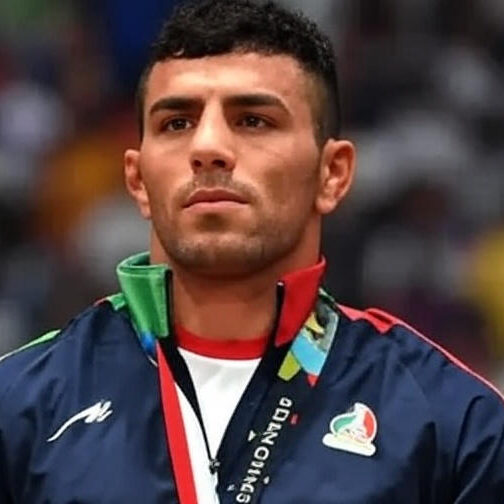
Olympic Medals: Silver medalist (–81kg, Tokyo 2020).
World Title: 2018 World Champion (Baku, –81kg).
Background: Born in Iran, defected and now competes for Mongolia (and later Azerbaijan).
Style: Agile and tactical in the –81kg division.
Saeid Mollaei’s journey is as remarkable as his results. He stunned the judo community by winning Iran’s first world title in 2018. In Tokyo 2020, now representing Mongolia, Mollaei earned the Olympic silver after a tense final. Fans admire his resilience after facing political pressure and choosing sport over orders. His story highlights judo’s values: fairness and courage. Mollaei’s skill on the mat – quick foot sweeps and counters – earned him medals and respect. Today he competes for Azerbaijan, but his 2020 Olympic silver and world championship remain proud career highlights.
Matthias Casse (Belgium)
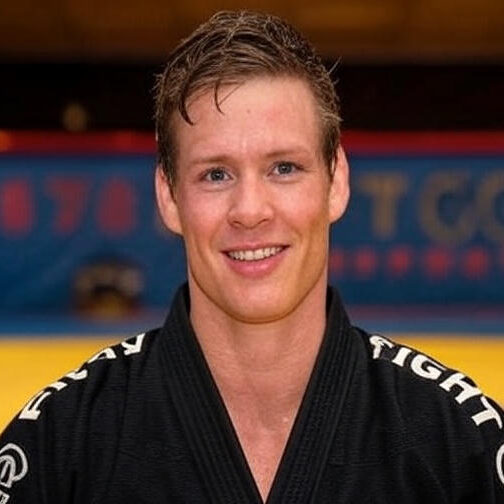
Olympic Medals: Bronze medalist (–81kg, Tokyo 2020).
World Title: 2021 World Champion (Budapest, –81kg).
First: First Belgian male World Champion at senior level.
Other: 2019 European Games champion (also European title).
Matthias Casse put Belgium on the judo map. In Paris 2021 (Tokyo 2020 Games held late), he thrilled crowds by winning Belgium’s first men’s World title. A few months later, he added an Olympic bronze in the same weight class. Casse is celebrated for his powerful uchi-mata and determination. Furthermore, his success has inspired a wave of interest in Belgian judo. Despite coming from a country with a smaller judo tradition, he shows that talent and work ethic can break barriers.
Sagi Muki (Israel)
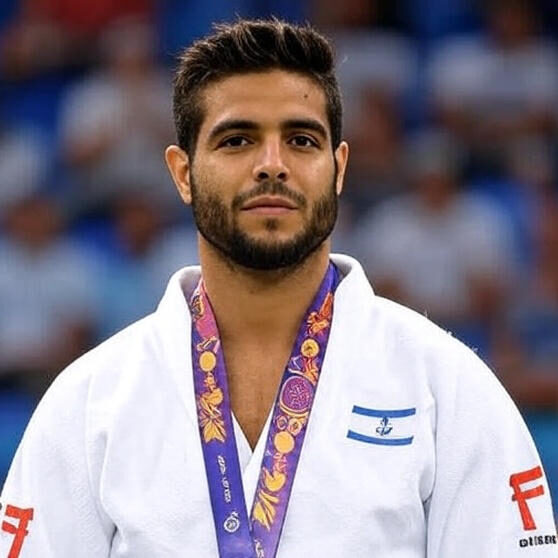
Olympic Medals: Member of the Israeli mixed team that won bronze (Tokyo 2020).
World Title: 2019 World Champion (Tokyo, –81kg).
European Titles: 2015 European Games Champion (Baku, –73kg).
Ranking: Ranked #1 in the world in 2019.
Sagi Muki made history for Israel by claiming the 81kg World title in 2019. A fast and agile competitor, he also won the European gold in 2015. In Tokyo 2020, Muki helped Team Israel win Olympic bronze in the mixed team event. His expressive fighting style and sportsmanship have made him popular with fans of all ages. Muki’s achievements highlight Israel’s growing status in judo.
Naohisa Takato (Japan)
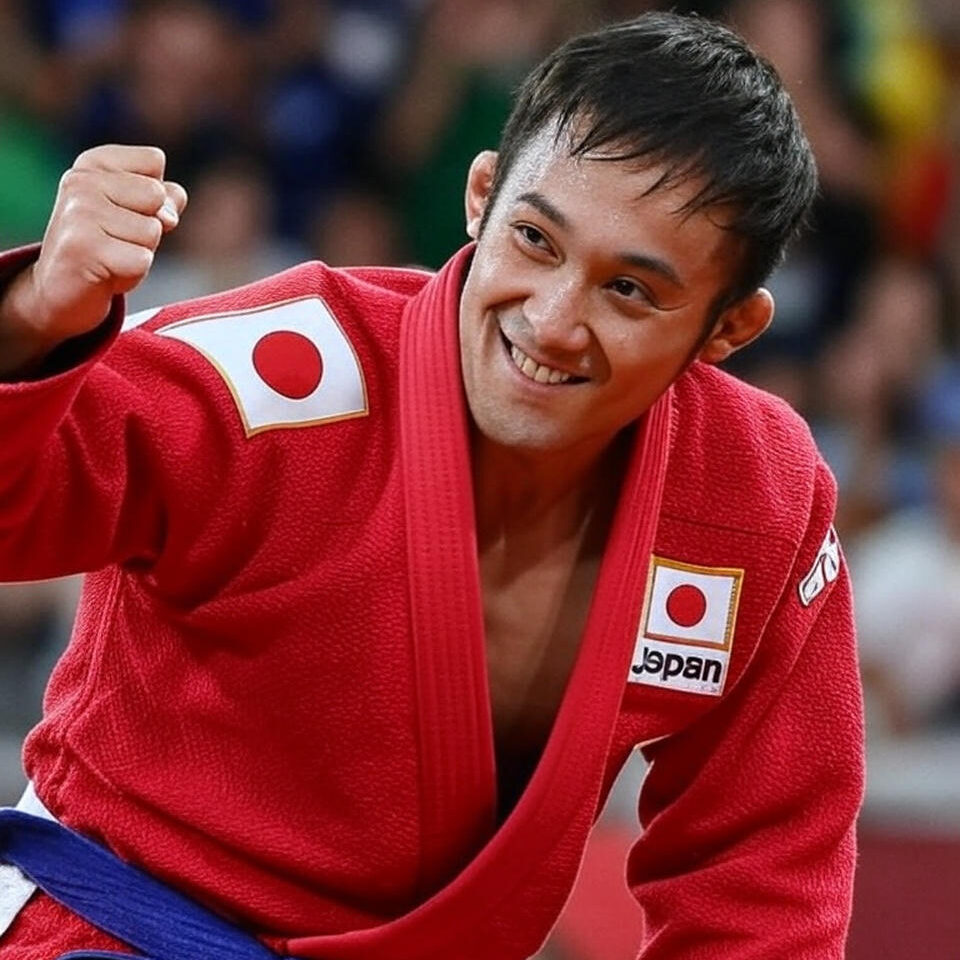
Olympic Medals: Gold (Tokyo 2020) and bronze (Rio 2016) in –60kg.
World Titles: Four-time World Champion (2013, 2015, 2019, 2022).
Technique: Famous for his drop kata-guruma and strong ground game.
Acclaim: Often the most-searched judoka online due to his achievements.
Naohisa Takato has dominated Japan’s extra-lightweight division for years. He won a silver medal at Rio 2016, then upgraded to gold in Tokyo 2020. Takato’s list of victories also includes multiple world championships. His dynamic style – especially his iconic kata-guruma shoulder throw – thrills audiences. Takato’s consistency and charismatic judo have made him one of the sport’s fan favorites.
Judo Olympic Medals by Country
Japan (JPN): 51 gold, 23 silver, 30 bronze (104 total) – far and away the most Olympic judo medals.
France (FRA): 18 gold, 15 silver, 34 bronze (67 total).
South Korea (KOR): 11 gold, 19 silver, 21 bronze (51 total).
China (CHN): 8 gold, 3 silver, 12 bronze (23 total).
Cuba (CUB): 6 gold, 15 silver, 16 bronze (37 total).
Olympic medal tables reflect judo powerhouses. Japan leads with 51 golds in judo, more than twice as many as France (18) and far above others. The host nation status and judo’s origins contribute to Japan’s dominance. France, Korea, China, Cuba and Georgia round out the top nations. Therefore, while our list highlights individual champions, note that training systems and national programs (especially in Japan and France) consistently produce top judokas. New challengers like Uzbekistan and Brazil are rising, making each Olympics unpredictable.
Greatest Olympic Judo Rivalries and Moments
Some Olympic judo matches have become legends. For example, at the Tokyo dojo built in 1964, Anton Geesink (NED) shocked the judo world by defeating Japan’s Akio Kaminaga in the first Olympic heavyweight final. This event (nicknamed the Geesink-Kaminaga match) broke Japan’s home dominance of the sport. Decades later, the Tokyo 2020 Olympics saw famous Japanese vs. Japanese clashes: Shohei Ono met Riki Nakaya in what was considered one of the lightweight division’s fiercest rivalries. In brief, Olympic judo rivalries often pit top nations and legendary athletes against each other, creating memorable matchups. However, unlike many combative sports, judo rivals typically part in friendship and mutual respect, highlighting sportsmanship after every contest.
Judo Techniques & Training
Olympic champions train intensely in specific throws and grappling techniques. For instance, Shohei Ono wrote his thesis on the Osoto-gari, and Naohisa Takato perfected drop-seoi-nage. In addition, champions like Hifumi Abe practice day and night to maintain agility and strength. Judo training focuses on “maximum efficiency, minimum effort” – athletes emphasize both technical skill and mental discipline. These world-class competitors also uphold judo’s philosophy of respect: bowing to opponents and referees, and winning (or losing) with humility.
Frequently Asked Questions
Which country has the most Olympic gold medals in judo?
Japan leads by a wide margin, with 51 gold medals (104 total) in Olympic judo.
Who is considered the greatest male judoka ever?
Many experts cite Teddy Riner (FRA) as the greatest, thanks to his three Olympic golds and 12 World Championship titles.
Who has won the most Olympic gold medals in judo?
Teddy Riner holds the record for a male judoka with 3 Olympic golds (2012, 2016, 2024).
Which judoka won gold at both Tokyo 2020 and Paris 2024?
Hifumi Abe (JPN) won back-to-back Olympic titles in the men’s 66kg division.
What are the men’s judo weight classes in the Olympics?
Men compete in seven weight divisions: –60kg, –66kg, –73kg, –81kg, –90kg, –100kg, and +100kg. (Women have similar categories starting at –48kg.)
Conclusion
The top 10 judo players at the Olympics combine medals, skill, and spirit to define modern judo. From Teddy Riner’s unmatched dominance to Abe and Ono’s technical brilliance, these athletes show judo’s global strength. We see how countries like Japan and France invest in training champions. In summary, key takeaways include the importance of technique (uji-no-kata), dedication, and respect in judo. These champions not only win medals but also inspire sportsmanship worldwide. Embracing judo’s values, the next generation can learn from their journeys and aim for greatness – perhaps becoming part of the Olympics’ next “greatest judo rivalry.”