



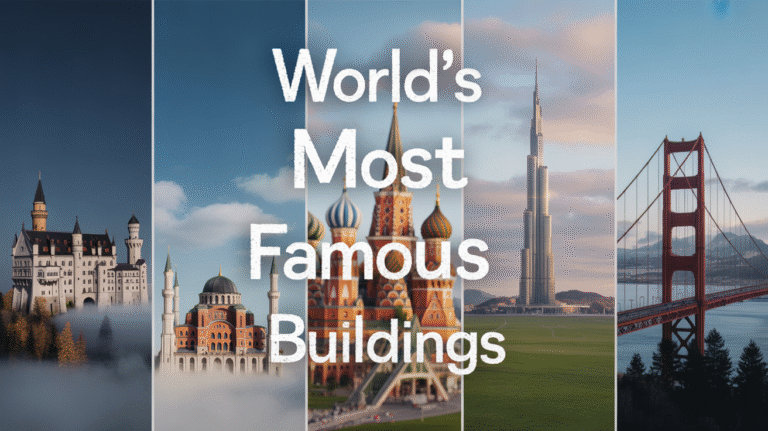
Introduction: Why Famous Buildings Matter
The top 10 most famous buildings in the world are more than just architectural marvels. They are living testaments to human creativity, cultural heritage, and innovation. From ancient temples to futuristic skyscrapers, these landmarks attract millions of visitors every year, shaping the identity of entire nations.
Many readers come here looking not just for a list, but for insights:What makes these buildings iconic? Why do they stand out compared to thousands of others? And which should be on a traveler’s bucket list?
This guide by AllTopNow dives into each iconic structure, explaining its history, design, and global significance. Along the way, you’ll also get practical tips, fascinating stories, and first-hand reflections that make these landmarks unforgettable.
1. Eiffel Tower – Paris, France
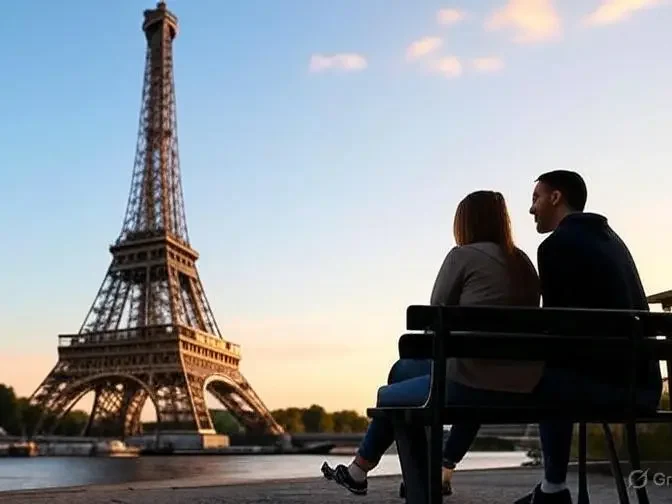
Few landmarks capture the spirit of a city like the Eiffel Tower. Built in 1889 for the World’s Fair, it was initially criticized but later embraced as the symbol of Paris.
- Height: 330 meters (with antennas)
- Visitors: Over 7 million annually
- Fun Fact: Gustave Eiffel, the engineer behind the tower, built a small private apartment at the top.
Standing beneath it, one feels the sheer scale of iron artistry. The view from the summit offers a sweeping panorama of Paris—a moment that stays etched in memory.
2. Taj Mahal – Agra, India
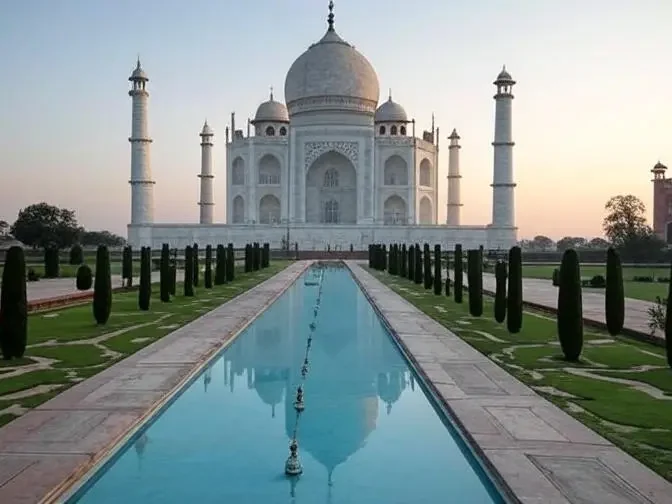
The Taj Mahal is not just a building; it’s a story of eternal love. Commissioned by Mughal Emperor Shah Jahan in memory of his wife, Mumtaz Mahal, it is a UNESCO World Heritage Site and one of the New Seven Wonders of the World.
- Construction: 1632–1653
- Material: White marble inlaid with precious stones
- Symbolism: Love, devotion, and timeless beauty
At sunrise, the Taj glows pink; at sunset, golden. Visitors often describe it as a spiritual experience rather than just a sightseeing stop.
3. Empire State Building—New York, USA
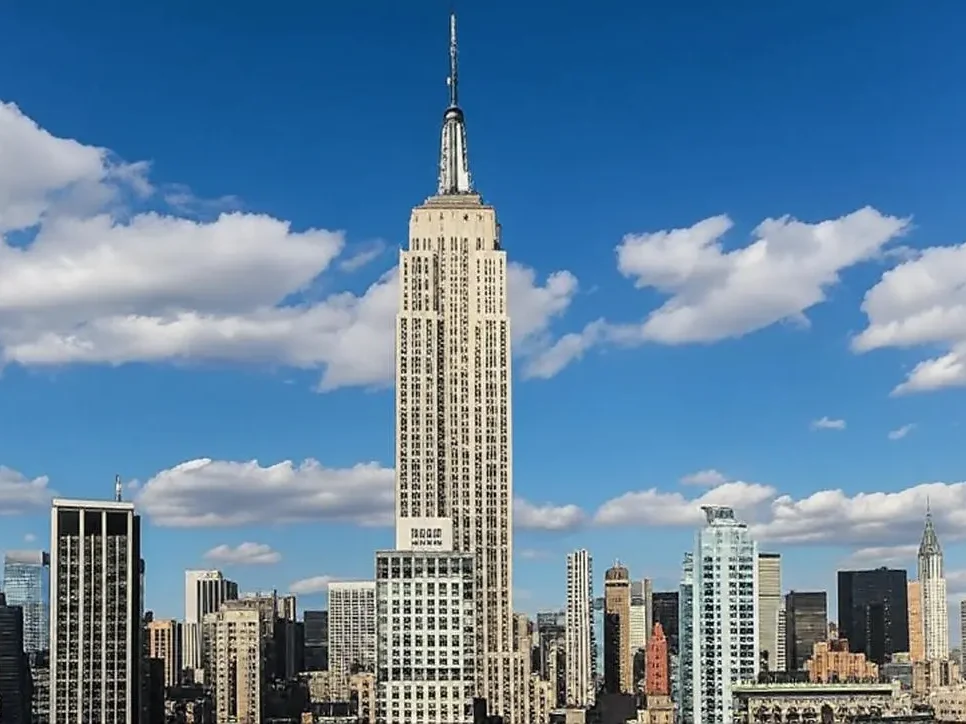
No list of the most famous buildings in the world is complete without the Empire State Building. Completed in 1931 during the Great Depression, it became a beacon of hope and resilience.
- Height: 443 meters (antenna included)
- Floors: 102
- Appearances: Over 250 films and shows
Visiting its observation deck feels like stepping into a movie scene. The skyline view, especially at night, is nothing short of magical.
4. Colosseum – Rome, Italy
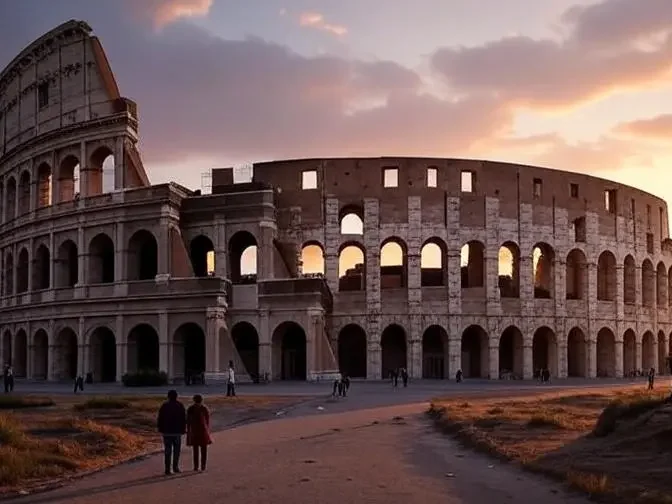
Rome’s Colosseum is the world’s largest amphitheater, built in AD 70–80. It hosted gladiator battles, performances, and public spectacles for thousands.
- Capacity: Up to 80,000 spectators
- Architectural style: Ancient Roman engineering
- Current state: A partial ruin, yet standing as a symbol of endurance
Walking inside its arches, one imagines the roar of crowds and the drama of history unfolding. It’s both awe-inspiring and humbling.
5. Sydney Opera House – Sydney, Australia
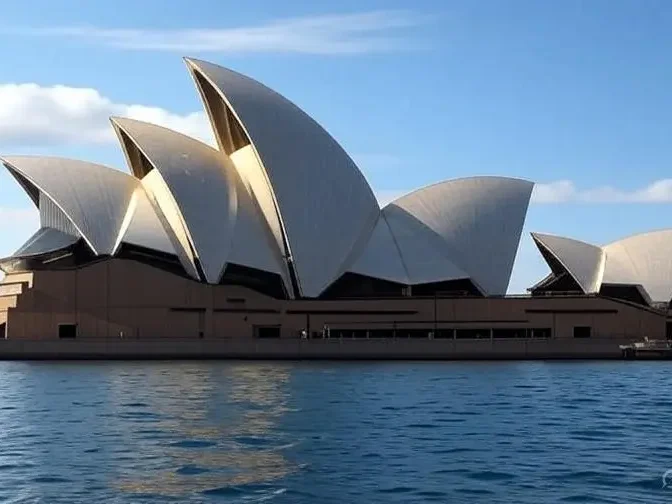
The Sydney Opera House is a masterpiece of modern architecture. Designed by Jørn Utzon, its sail-like structures became Australia’s global symbol.
- Opened: 1973
- Purpose: Performing arts center
- Design inspiration: Sea shells and sailing ships
I remember sitting by Sydney Harbour, watching the Opera House glow under the evening lights. It’s as much an experience as it is a structure.
6. Burj Khalifa – Dubai, UAE
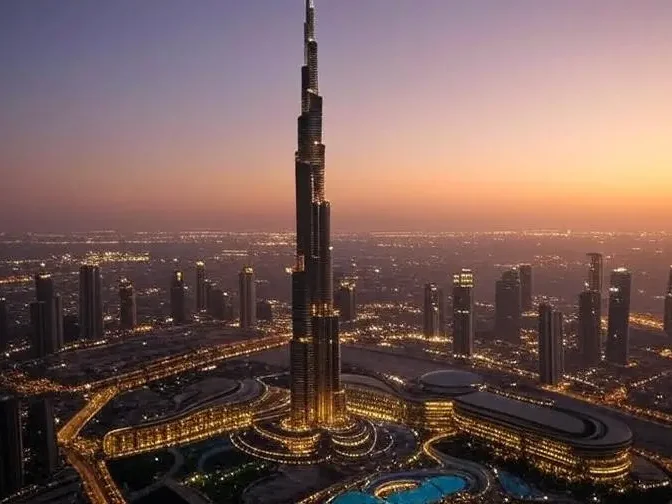
When talking about architectural records, the Burj Khalifa tops the list. At 828 meters, it’s the tallest building in the world since 2010.
- Floors: 163
- Observation deck: 148th floor
- Construction period: 2004–2010
Looking up at it from the ground feels surreal. The glass facade reflects the desert sun, making it appear almost endless.
7. Machu Picchu – Cusco Region, Peru
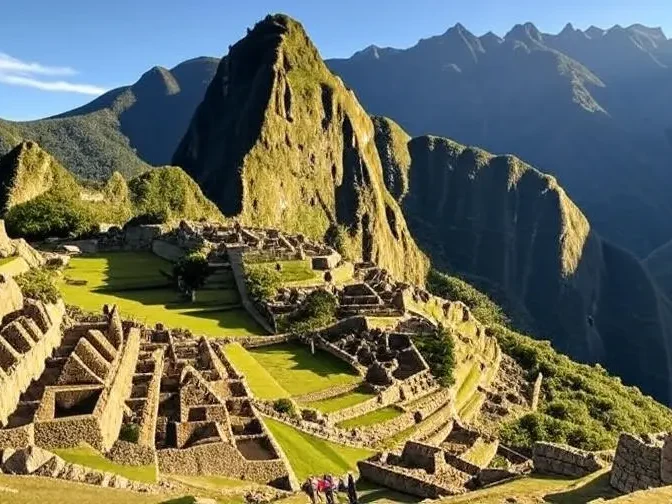
Though technically a citadel rather than a single building, Machu Picchu deserves a place here. Hidden in the Andes, it’s a breathtaking Incan creation rediscovered in 1911.
- Built: 15th century
- Altitude: 2,430 meters above sea level
- Recognition: UNESCO World Heritage Site
Exploring its terraces and temples, one feels transported back in time, surrounded by mist and mystery.
8. Big Ben (Elizabeth Tower) – London, UK
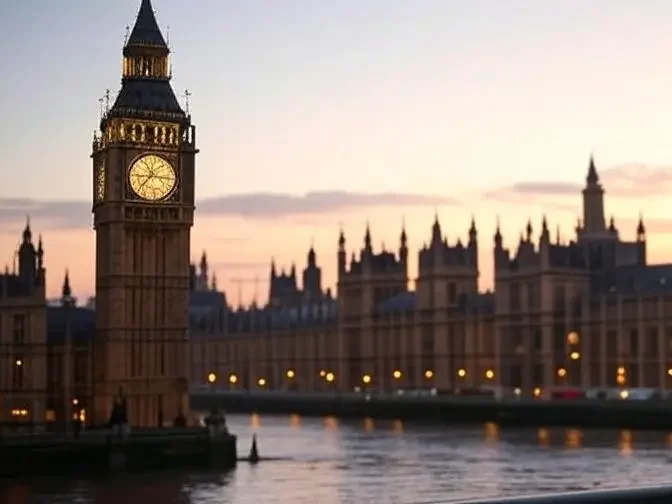
The Elizabeth Tower, commonly called Big Ben, is one of the most recognized symbols of Britain. The nickname originally referred to the bell inside, but today it represents the whole tower.
- Height: 96 meters
- Clock faces: Four, each 7 meters wide
- Significance: Political and cultural emblem
Standing by Westminster, the chimes of Big Ben echo with history. It’s London’s heartbeat.
9. The Louvre – Paris, France
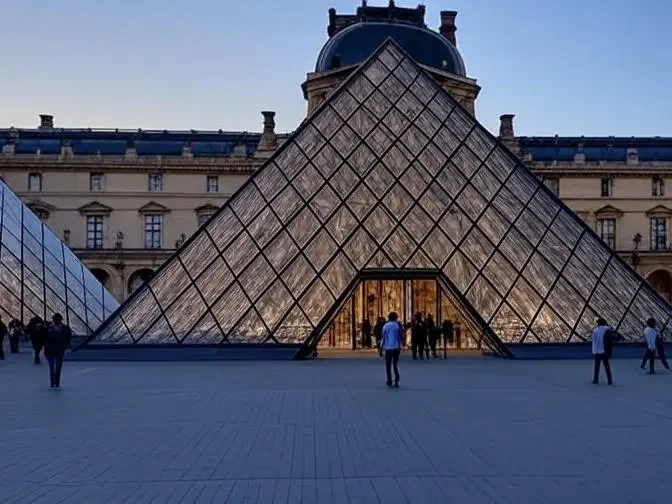
The Louvre Museum combines classical architecture with the modern glass pyramid, making it one of the most visited cultural landmarks in the world.
- Collection: Over 35,000 works, including the Mona Lisa
- Opened: 1793 as a public museum
- Architecture: Renaissance palace + I. M. Pei’s pyramid
Entering the Louvre is like stepping into the history of human creativity. Each gallery tells stories of civilizations across time.
10. The Pyramids of Giza – Egypt
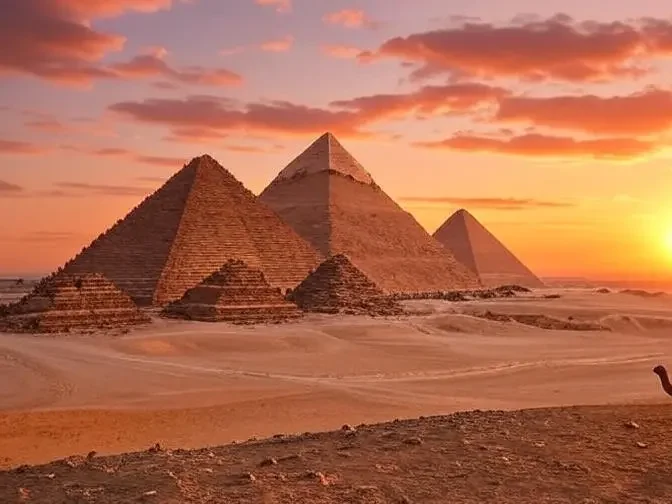
No building list can ignore the Pyramids of Giza. They are the last surviving wonders of the Ancient World, constructed over 4,500 years ago.
- Great Pyramid height: 146 meters (originally)
- Builders: Ancient Egyptians under Pharaoh Khufu
- Mystery: Methods of construction remain debated
Standing before the pyramids, one can’t help but wonder: how did ancient civilizations achieve such precision and grandeur?
Quick Comparison Table
| Building | Location | Year Built | Significance |
| Eiffel Tower | Paris, France | 1889 | Symbol of modern Paris |
| Taj Mahal | Agra, India | 1632–1653 | Love and heritage |
| Empire State Building | New York, USA | 1931 | Skyscraper icon |
| Colosseum | Rome, Italy | AD 70–80 | Ancient amphitheater |
| Sydney Opera House | Sydney, Australia | 1973 | Modern performing arts |
| Burj Khalifa | Dubai, UAE | 2010 | Tallest building |
| Machu Picchu | Peru | 15th century | Incan citadel |
| Big Ben | London, UK | 1859 | British symbol |
| The Louvre | Paris, France | 1793 | Largest museum |
| Pyramids of Giza | Egypt | ~2570 BC | Ancient wonder |
People Also Ask (FAQs)
1. What is the most famous building in the world?
The Eiffel Tower is often considered the most famous due to its global recognition and cultural influence.
2. Which building is the tallest in the world?
The Burj Khalifa in Dubai, standing at 828 meters, holds the title of the tallest building.
3. What is the oldest famous building on this list?
The Pyramids of Giza, built around 2570 BC, are the oldest and still-standing wonders.
4. Why is the Taj Mahal so famous?
Because it’s both an architectural masterpiece and a timeless symbol of love, attracting millions of visitors yearly.
5. Which famous building should travelers see first?
It depends on interest: history lovers should see the Colosseum or Pyramids, while modern design fans may prefer Burj Khalifa or the Sydney Opera House.
Final Thoughts
The top 10 most famous buildings in the world are not just monuments; they are experiences. Each tells a story about human ambition, artistry, and resilience.
From a personal perspective, standing before the Taj Mahal at dawn felt different than looking up at the Burj Khalifa at night. Both moments carried emotion, but in unique ways. That’s the power of architecture — it creates memories that transcend borders.