



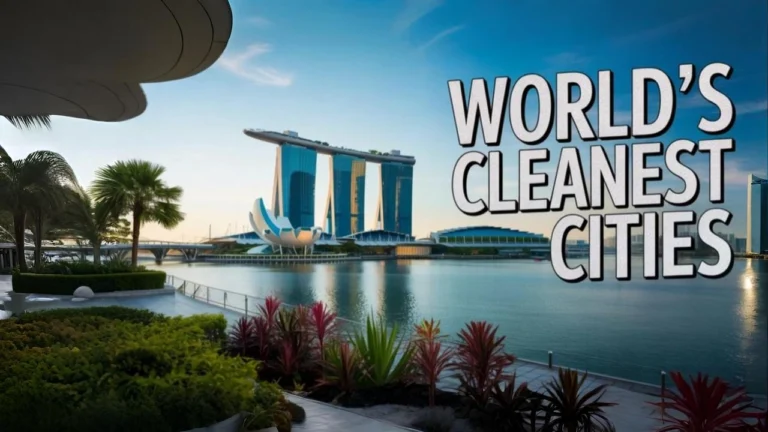
Introduction: The Cleanest City in the World and Why It Matters
When people ask, “What’s the cleanest city in the world?”, they’re not just curious about beauty. They’re also asking about air quality, safe water, green spaces, waste management, and urban planning. A clean city means healthier people, sustainable growth, and a better quality of life.
In 2025, the world’s cleanest cities are leading examples of how modern urban areas can balance development with sustainability. This guide from AllTopNow highlights the top 10 cleanest cities in the world—cities where cleanliness is more than a policy, it’s a way of life.
Whether you’re researching the cleanest city on earth, planning travel, or simply curious about eco-friendly living, this ranking will give you insights, real-world examples, and practical knowledge.
The Top 10 Cleanest Cities in the World
Here’s the list of cities that stand out for exceptional cleanliness, sustainability, and public health standards in 2025.
1. Zurich, Switzerland – The World’s Cleanest City
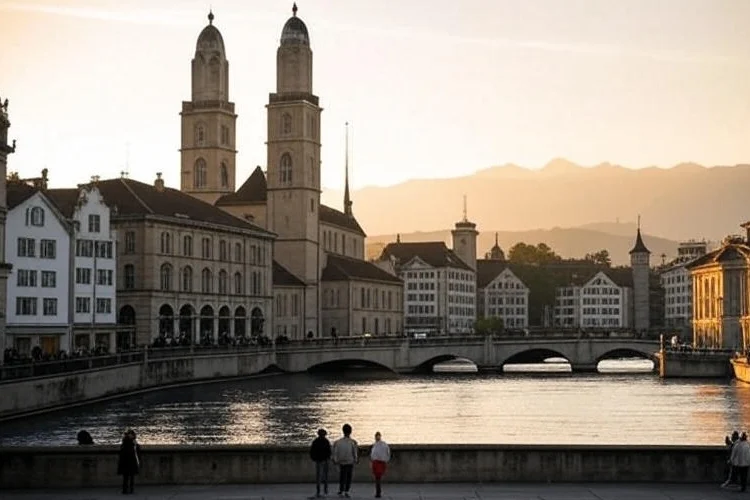
Zurich is consistently ranked as the cleanest city in the world. With crystal-clear water from Lake Zurich, top-tier recycling systems, and a culture of environmental respect, Zurich sets the global standard.
- Why Zurich is so clean:
- Strict waste separation laws
- Efficient public transportation
- High investment in renewable energy
- Strict waste separation laws
- Fun fact: Zurich’s tap water is so pure, it’s often compared to bottled spring water.
2. Singapore – A Model of Urban Cleanliness
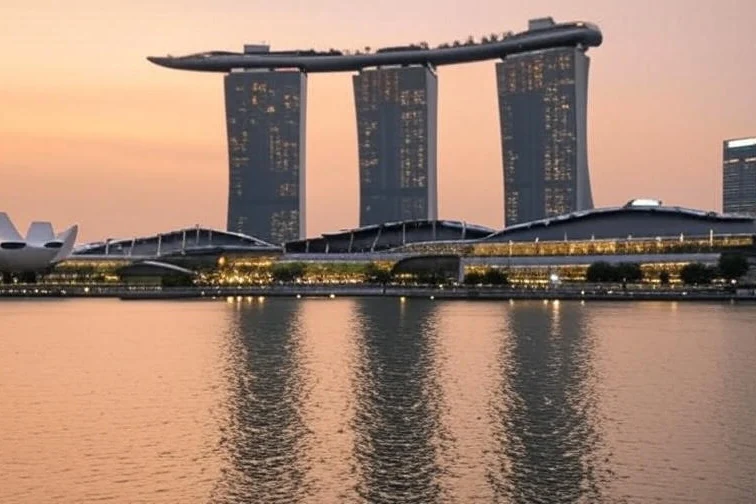
Often referred to as the cleanest city on earth, Singapore’s success lies in strict laws and community involvement.
- Key factors:
- Zero tolerance for littering
- Well-maintained green zones
- Cutting-edge water recycling (NEWater)
- Zero tolerance for littering
Singapore proves that urban density and cleanliness can coexist.
3. Helsinki, Finland – Eco-Friendly and Organized
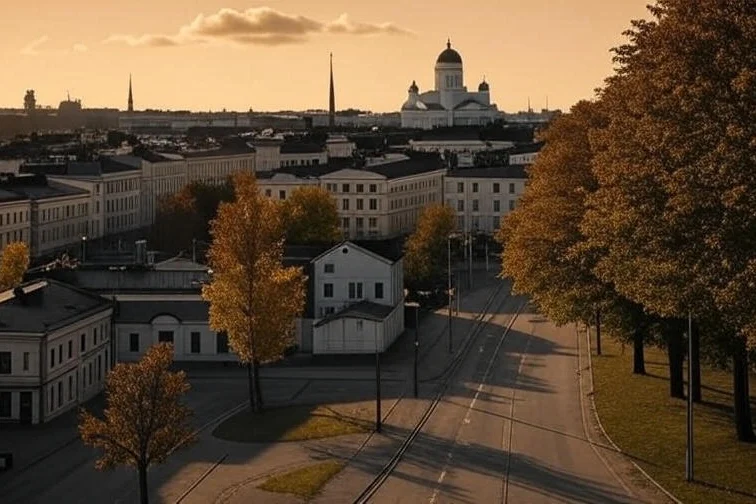
Helsinki combines Nordic cleanliness with modern eco-conscious planning. Known for clean air and organized waste management, Helsinki is among the cleanest places in the world.
- Why it stands out:
- 80% of waste recycled
- Accessible bike paths
- Public trust in sustainability
- 80% of waste recycled
4. Calgary, Canada – The Cleanest City in North America

For those asking, “What is the cleanest city in America?”, Calgary often tops the charts. While not in the U.S., it’s still the cleanest in North America.
- Highlights:
- Strict littering fines
- Clean water systems
- Impressive waste-to-energy initiatives
- Strict littering fines
5. Vienna, Austria – Beauty Meets Cleanliness
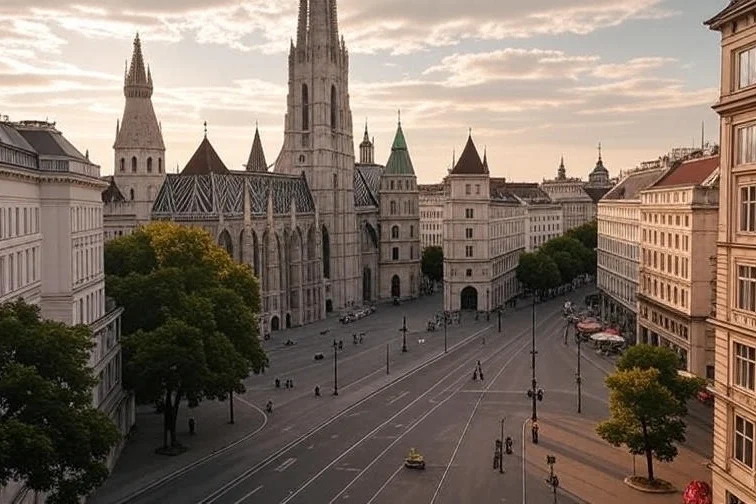
Vienna isn’t just culturally rich—it’s one of the most cleanest cities in the world. The city thrives on efficient waste management and stunning public gardens.
- Reasons for its ranking:
- Regular street cleaning
- High recycling rates
- Eco-friendly energy systems
- Regular street cleaning
6. Copenhagen, Denmark – Green and Clean
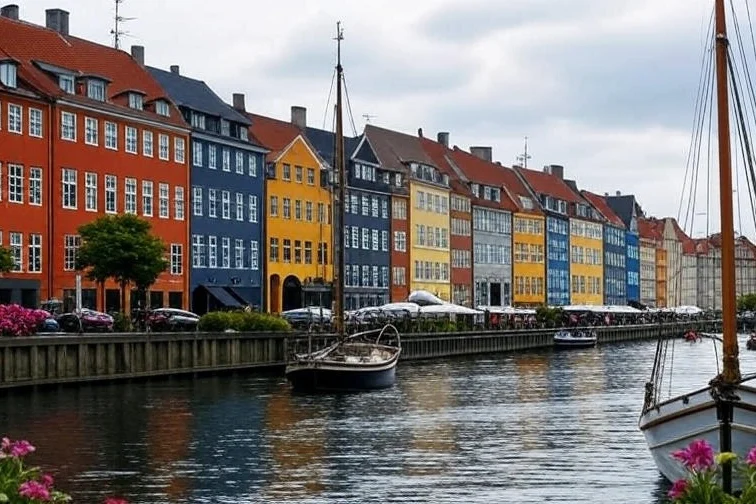
Copenhagen is globally known for cycling culture and climate-conscious living. Ranked high among the cleanest cities world, it’s aiming to be carbon-neutral by 2030.
- What makes it clean:
- Low emissions
- Green urban design
- Clean harbor waters safe for swimming
- Low emissions
7. Oslo, Norway – Fresh Air and Pure Water

Norway’s capital shines as one of the world’s cleanest cities thanks to sustainable energy and strict pollution policies.
- Notable facts:
- Nearly 100% renewable electricity
- Ultra-clean drinking water
- Minimal plastic waste
- Nearly 100% renewable electricity
8. Adelaide, Australia – Cleanliness Down Under
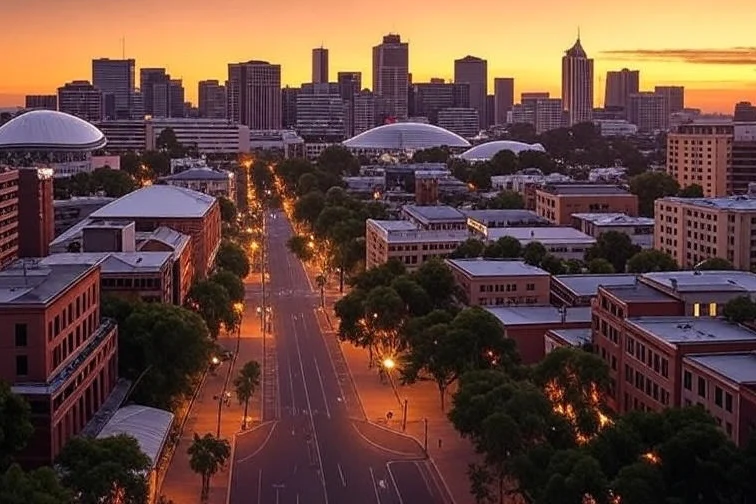
Adelaide earns its spot among the cleanest cities in the world by promoting green energy and sustainability.
- Why it’s impressive:
- Solar energy leadership
- Advanced waste recycling
- Clean beaches and streets
- Solar energy leadership
9. Wellington, New Zealand – Naturally Clean
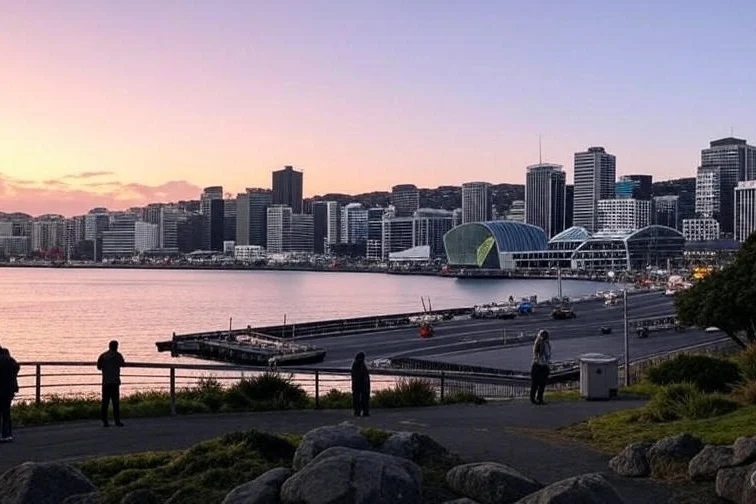
Known for its fresh air, clean harbors, and green surroundings, Wellington is a city where nature and urban life meet seamlessly.
- Key features:
- Wind energy reliance
- Public transport expansion
- Clean, walkable downtown
- Wind energy reliance
10. Honolulu, United States – The Cleanest City in the U.S.

When people ask, “What’s the cleanest city in the United States?”, Honolulu often comes first.
- Clean city traits:
- Cleanest water in the U.S.
- Effective waste control
- Natural ocean breezes improving air quality
- Cleanest water in the U.S.
This makes Honolulu the leader among the cleanest cities in the U.S..
Feature Table: Cleanest Cities Compared
| Rank | City | Country | Special Highlight |
| 1 | Zurich | Switzerland | Pure water, zero-waste policies |
| 2 | Singapore | Singapore | Strict anti-littering laws |
| 3 | Helsinki | Finland | 80% waste recycling |
| 4 | Calgary | Canada | Cleanest in North America |
| 5 | Vienna | Austria | Public gardens & cleanliness |
| 6 | Copenhagen | Denmark | Cycling & climate policies |
| 7 | Oslo | Norway | Nearly 100% renewable electricity |
| 8 | Adelaide | Australia | Solar energy leadership |
| 9 | Wellington | New Zealand | Naturally clean harbors |
| 10 | Honolulu | USA | Cleanest city in the United States |
People Also Ask (FAQ)
Q1: What’s the cleanest city in the world in 2025?
A: Zurich, Switzerland, ranks as the cleanest city in the world thanks to clean water, green policies, and public awareness.
Q2: What is the cleanest city in the United States?
A: Honolulu, Hawaii, is considered the cleanest city in the U.S. due to clean air, fresh water, and strict waste management.
Q3: Which city has the cleanest water in the world?
A: Zurich and Oslo are often noted for having the cleanest drinking water on earth.
Q4: Are the cleanest cities also eco-friendly?
A: Yes. Most of the world’s cleanest cities invest in renewable energy, waste recycling, and sustainable development.
Q5: What makes a city the cleanest?
A: Key factors include waste management, air quality, green spaces, public participation, and access to clean water.
Final Thoughts
Cleanliness is more than aesthetics—it’s about health, pride, and sustainability. The top 10 cleanest cities in the world prove that it’s possible to balance modern living with eco-friendly practices.
From Zurich’s crystal-clear water to Honolulu’s ocean breeze, these cities show us what’s possible when people, governments, and communities value cleanliness.
From a traveler’s perspective, experiencing the world’s cleanest cities is refreshing. From a local’s perspective, it’s empowering. Clean cities give hope that future generations can live in healthier, greener, and more sustainable environments.